Electrical repair work in Lake Charles
Repair is what we do most days. A receptacle that stopped working. A breaker that trips when the microwave and the toaster run together. A flicker in the dining room. A burned smell after lightning. A switch that hums. The job is to find the failure point, replace what failed, and make sure the fix is durable. Half-measures on electrical do not save money. They just move the problem to the next quiet weekend.
What we repair
Devices and outlets
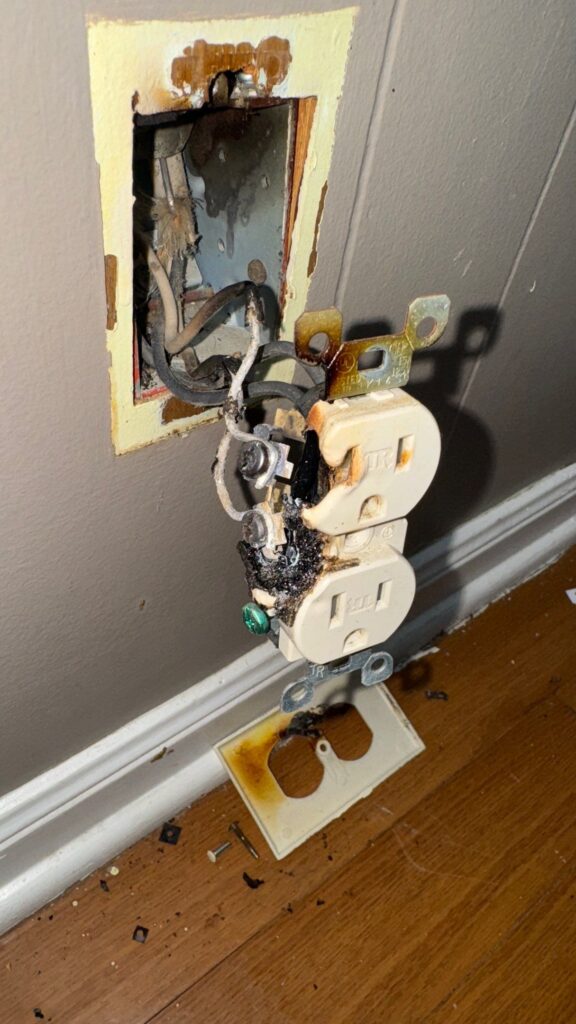
Receptacles, switches, dimmers, GFCIs, AFCIs, dimmer-compatible LED retrofits, ceiling fan rheostats, and combination devices. Receptacles in particular fail at the contacts long before they look bad. If a plug falls out of the wall when you tug it, the device is at end of life. We replace the device, check the splice behind it, and torque the terminal to spec per the manufacturer.
Breakers and panels
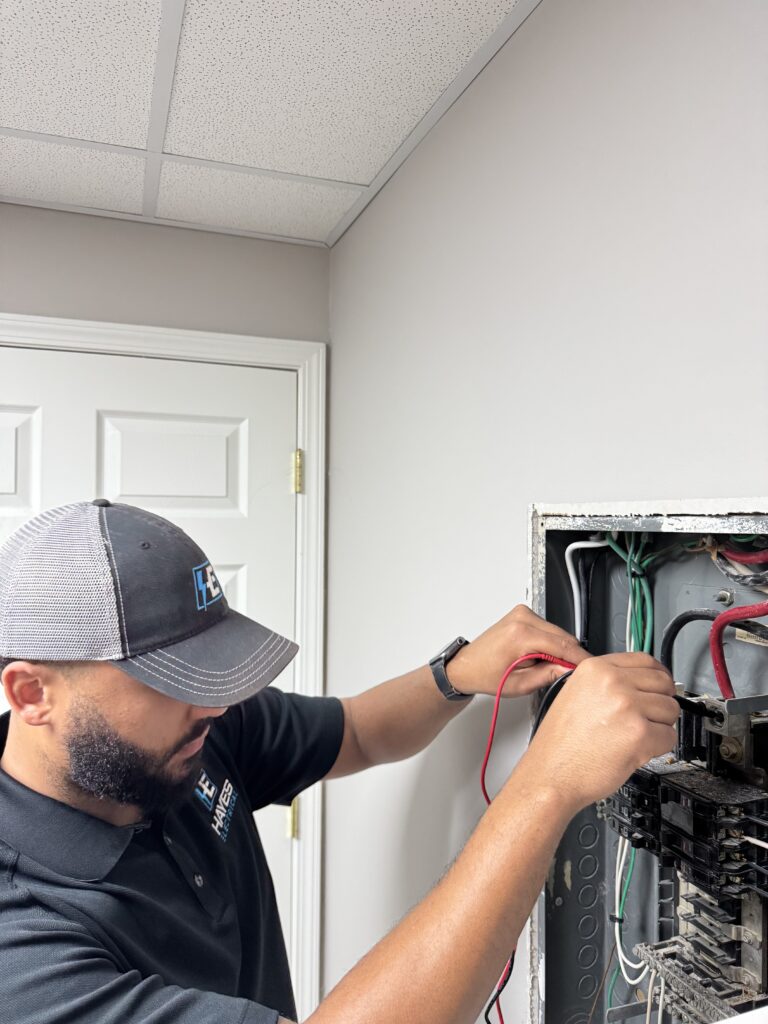
Tripping breakers, hot breakers, breakers that will not reset, and panels that buzz. A breaker that trips repeatedly is doing its job. The question is what downstream is causing the fault. We diagnose with a meter and a thermal camera, not by jamming a bigger breaker in (which is how houses burn down). On Federal Pacific Stab-Lok, Zinsco, and Challenger panels we recommend replacement, not breaker-by-breaker repair, because the bus and the breaker design are the problem.
Wiring failures
Burned splices, melted wire nuts, knob-and-tube that finally gave up, aluminum branch terminations browned at the screw, undersized neutrals on shared kitchen circuits, and damaged feeders to detached buildings. NEC 314.16 controls box fill, and overstuffed boxes are a common cause of overheated splices. We rebuild the splice, replace the device, and upsize the box if the existing one is overcrowded.
Fixtures
Failed ballasts on older fluorescent fixtures, dead LED drivers, water-damaged outdoor fixtures, ceiling fans that wobble or buzz, and recessed cans with bad thermal protectors. NEC 410.137 requires specific clearances for recessed cans in insulated ceilings, and we replace non-IC-rated cans buried in attic insulation with IC-rated housings when we find them.
How we diagnose
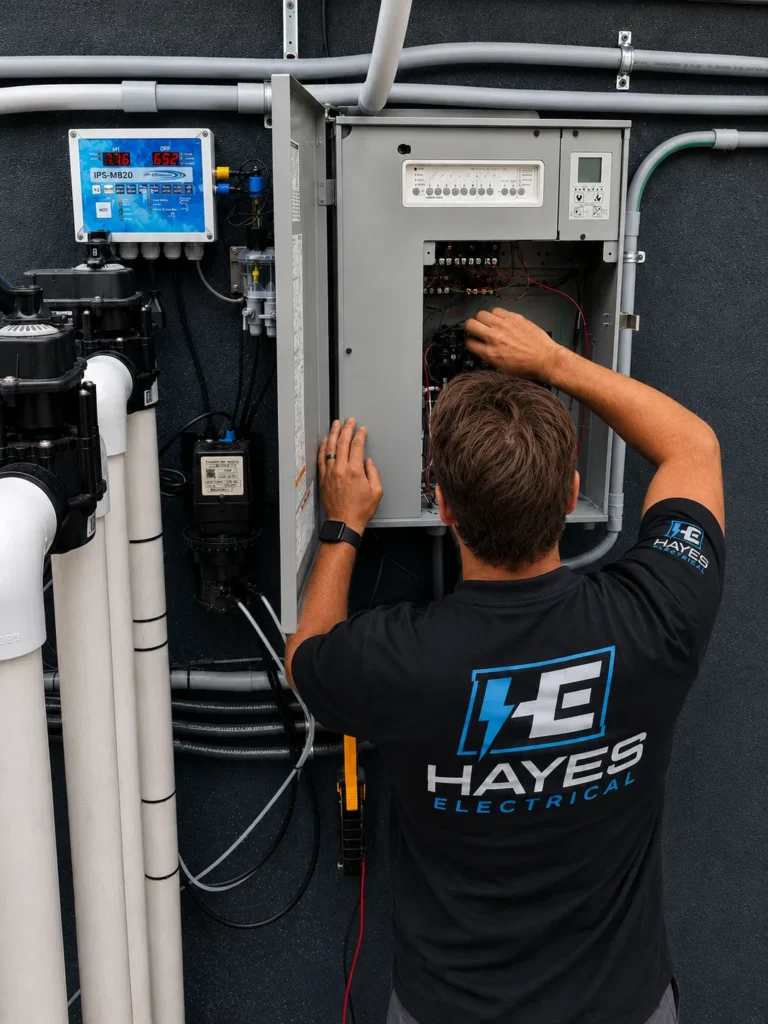
Diagnosis is the work. We start at the panel with a thermal camera, check voltage and amperage on the suspect circuit, then move to the failure point with a true-RMS meter. If the problem is intermittent we install a recording meter for 24 to 48 hours to catch the event. We are honest when we are guessing versus when we know. If we cannot find the failure on the first visit we tell you, and we do not charge for diagnostics we did not complete.
Real failure modes by frequency
The list of things that actually break, in roughly the order we see them:
- Backstabbed receptacles where the push-in connection lost spring tension after 15-25 years
- Loose terminations at breakers from missed torque on the original install
- GFCI receptacles that aged out (8-10 year service life)
- AFCI breakers that nuisance-trip on early-generation designs (2002-2008 era)
- Burned splices in overcrowded boxes
- Aluminum branch terminations on 1965-1973 wiring, browned at the screw (CPSC documented)
- Failed neutrals on shared kitchen multi-wire branch circuits
- Water in outdoor fixtures and bell boxes after storms
Repair versus replace
Sometimes the device is fine and the splice behind it failed. Sometimes the splice is fine and the device wore out. Sometimes the wire itself is the problem. We are direct about which one it is. If a 30-year-old panel needs four breakers replaced and the bus shows discoloration, we recommend panel replacement rather than chasing breakers. If a single receptacle failed and the wiring behind it is sound, we replace the device and move on.
What permits and inspections apply
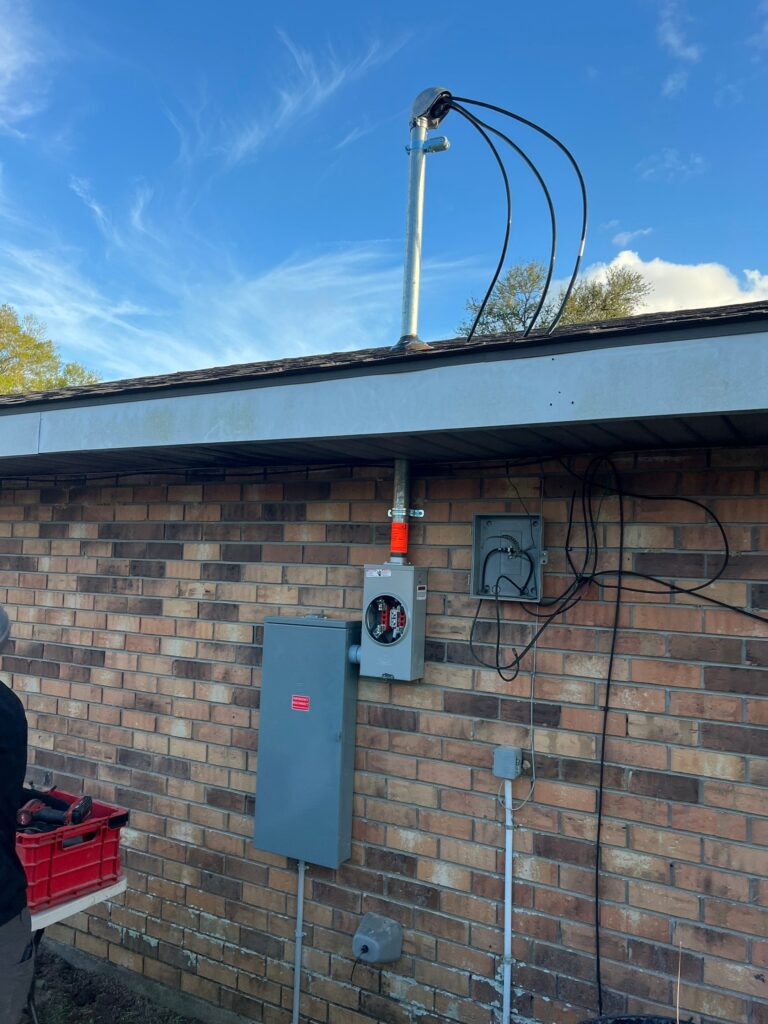
Like-for-like device replacement does not require a permit. Adding circuits, replacing a panel, or repairing a service entrance does. We tell you up front which side of that line a repair falls on. The cost of a permit is small, and on a panel change or service repair the inspection is what protects you at resale and on insurance claims.