Electrical wiring and rewiring in Lake Charles
Wiring is the underlying work of every electrical project. New construction is wiring from scratch. A remodel is partial rewiring. A repair is fixing a wiring failure. A whole-house rewire is replacing every branch circuit in a building. We do all of it, and the older Lake Charles housing stock keeps a lot of our rewire work busy.
Why old houses need rewiring
Knob-and-tube (pre-1950)
K&T was the standard residential method through the 1940s. The conductors are ceramic-knob-supported with rubber and cloth insulation. K&T works fine in open air with its required clearances. It fails when buried in modern blown-in insulation because the heat cannot dissipate, the insulation crumbles, and the conductors short to each other or to nails. Most insurance carriers in Louisiana no longer write policies on homes with active K&T.
Aluminum branch wiring (1965-1973)
During the copper shortage of the mid-1960s, single-strand aluminum was used for branch circuits. Aluminum oxidizes differently than copper, expands and contracts more with temperature, and creeps under terminal pressure. CPSC documented elevated fire risk at terminations on these homes. The fix is CO/ALR-rated devices at every termination, COPALUM crimps with anti-oxidant compound, or a full rewire. We assess and recommend based on the condition.
Ungrounded two-prong receptacles
Pre-1962 wiring used 2-conductor cable with no ground. Two-prong receptacles are legal as a like-for-like replacement, but most modern electronics expect a ground. We can either pull a new ground wire to each receptacle (preferred), install a GFCI at the start of each circuit and tag the downstream receptacles “no equipment ground” per NEC 406.4, or rewire the circuit with new grounded cable.
Undersized service and overloaded circuits
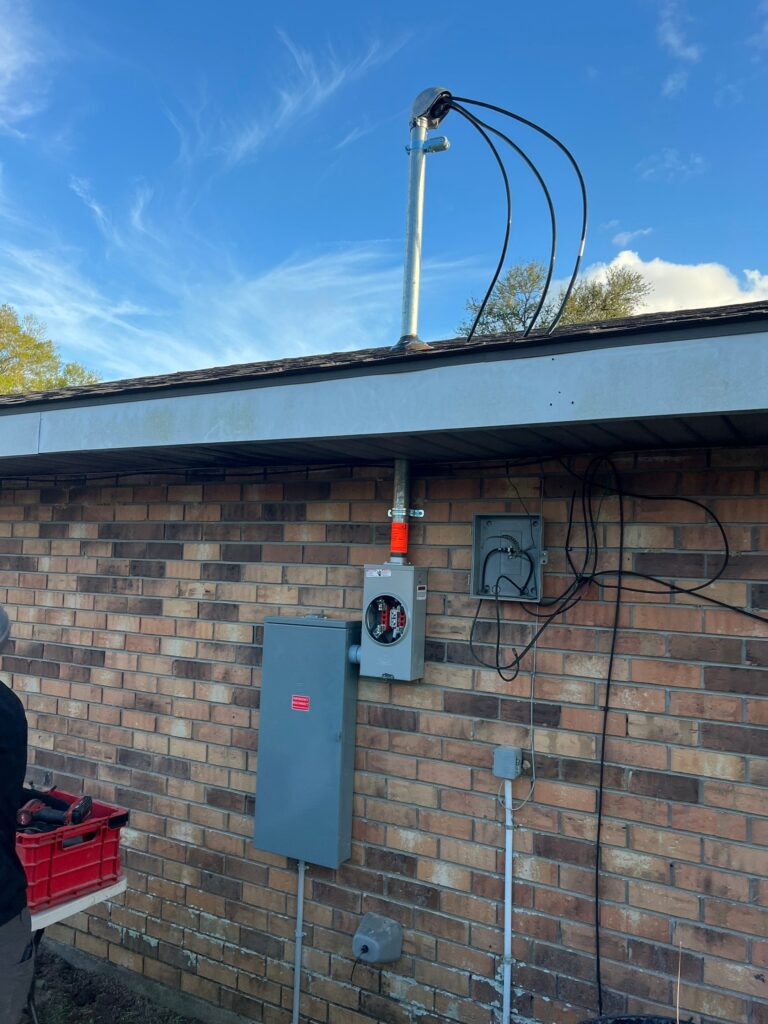
A 60A service was standard in the 1950s. A 100A service was standard in the 1960s and 70s. Modern loads have moved past both. A house with central AC, electric range, electric dryer, electric water heater, and EV charging needs 200A. We do the load calc per NEC 220 and tell you what the service should be.
Whole-house rewire
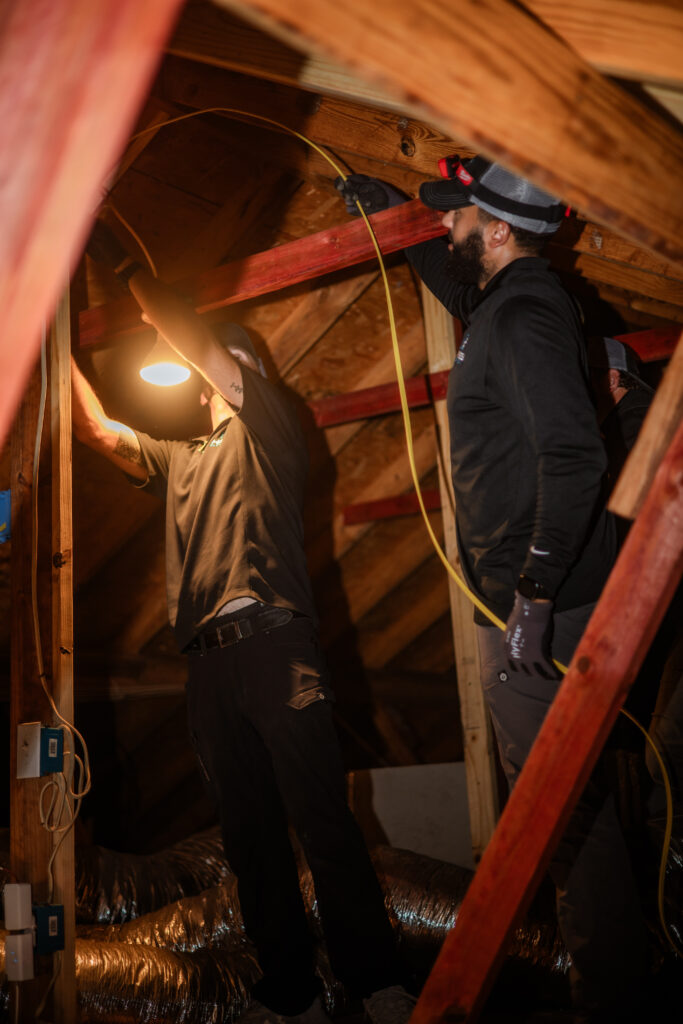
A full rewire replaces every branch circuit and updates the panel. The technique on an occupied home is fishing new NM cable through existing wall cavities with selective access points (removing baseboard, crown molding, or floor sections to access wall and ceiling cavities). On homes with plaster walls (common in Charpentier, Margaret Place, and downtown LC) we are extra deliberate about access cuts because plaster does not patch cleanly without skilled drywall finishing.
Whole-house rewire is typically a 2-3 week project for a 2,000 sq ft home, depending on access and how much trim work needs to be preserved. We can stage room by room so the home stays occupied if needed.
Branch circuit additions and remodels
For kitchen and bath remodels we add the dedicated circuits required by NEC 210.11 (two small-appliance circuits in the kitchen, one dedicated bath circuit, one dedicated laundry). For room additions we extend or add circuits per the new load. For specific appliance additions (range, dryer, water heater, AC unit, EV charger) we run dedicated circuits sized per the equipment cut sheet.
Cable, conduit, and methods
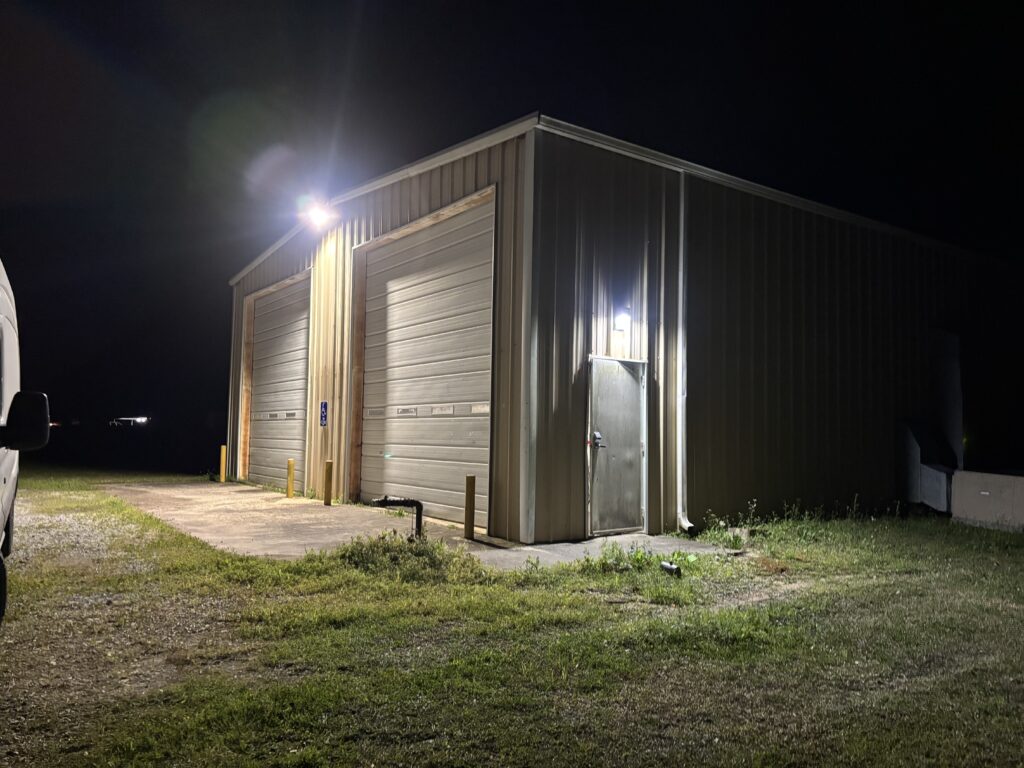
Standard residential is NM cable (Romex) in protected spaces. We use 12 AWG for 20A circuits and 14 AWG for 15A circuits per NEC 240. Exterior runs to detached buildings are UF cable direct-burial or THHN in PVC conduit, sized per the load and the voltage drop calculation. Wet locations and exposed runs use conduit, either EMT (indoors), PVC (outdoor or underground), or rigid where physical protection is required. Service-entrance and feeder conductors are sized per NEC 310 and the breaker rating per NEC 240.