Outlets, switches, and fixtures in Lake Charles homes
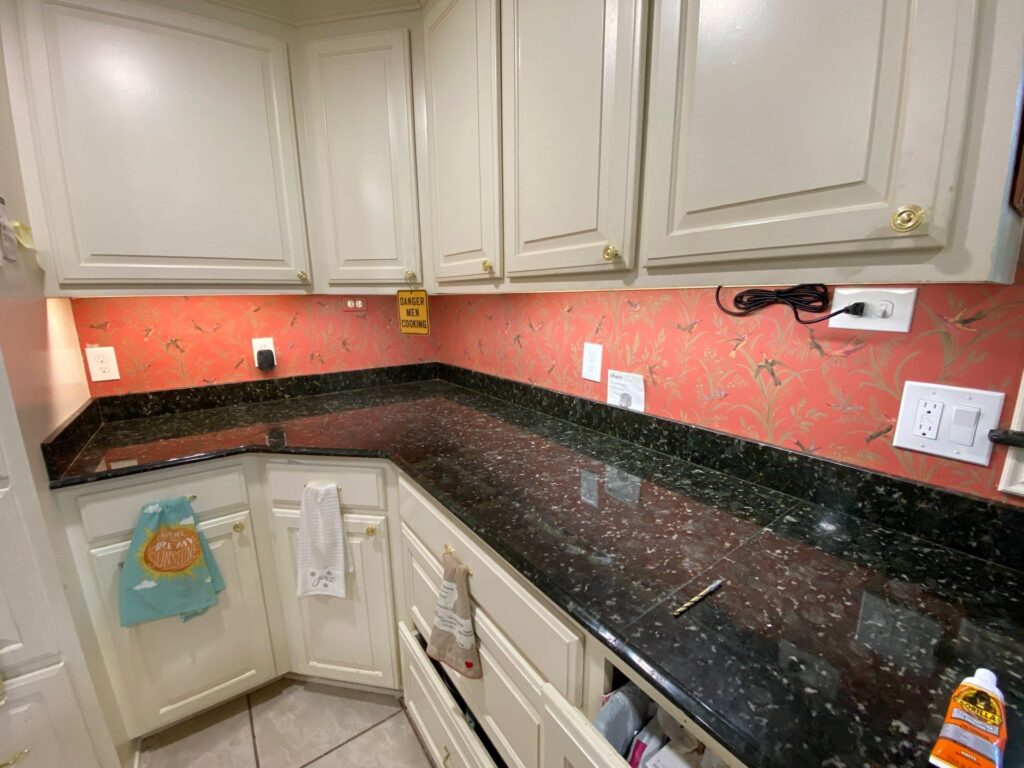
Device work is the most common request we get from homeowners. A receptacle that stopped working. A switch that hums. A fan that wobbles. A new chandelier in the dining room. A bank of new recessed cans in the kitchen. A USB-receptacle upgrade for the bedroom. All of it falls under this service.
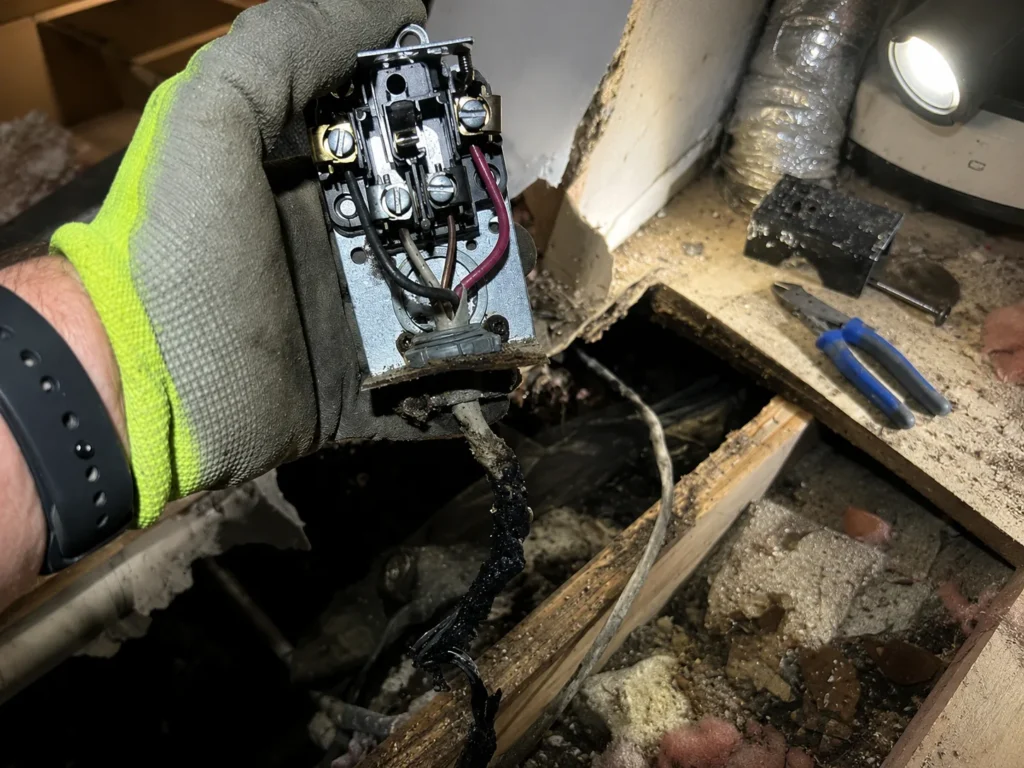
Device work looks simple, and on a sound system it is. The complication is that the device is the visible end of a wire that runs through a wall. When the device fails, sometimes the wire is the actual problem. We always check the splice before we close the box.
Receptacles and outlets
Standard receptacles
Receptacle work in Lake Charles homes splits into three categories. Like-for-like device replacement on sound modern wiring (most newer construction). Like-for-like replacement on aging wiring where we land on the screw and verify the box fill per NEC 314.16. Upgrade replacement where we are changing from a two-prong ungrounded receptacle to a grounded modern receptacle, which sometimes means pulling a new ground wire and sometimes means installing a GFCI at the start of the circuit with downstream “no equipment ground” tags per NEC 406.4.
GFCI receptacles
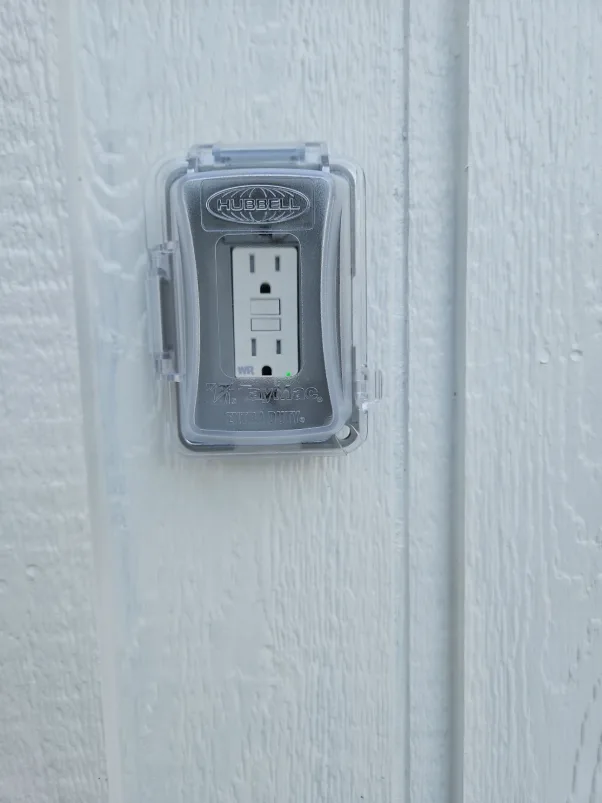
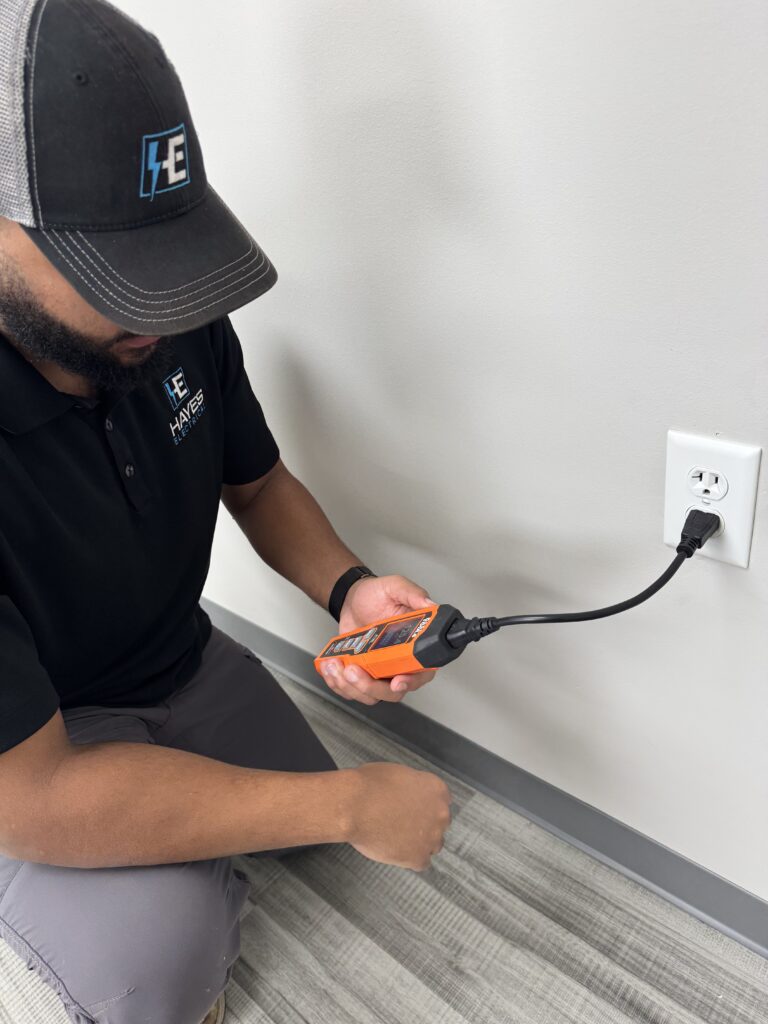
NEC 210.8 requires GFCI protection on receptacles in bathrooms, kitchens, garages, outdoor, laundry, crawl space, basement, and within 6ft of any sink (including bar sinks and wet bars). Older homes typically have non-GFCI receptacles in all of those locations. We install GFCI receptacles at the start of each circuit and verify downstream protection with a tester. GFCI receptacles have an 8-10 year service life and we replace aged-out GFCIs that no longer reset.
AFCI breakers and devices
NEC 210.12 requires AFCI protection on most living-area circuits (bedrooms, family rooms, dining, sunrooms). AFCI is at the breaker, not the receptacle, in most installations. Early-generation AFCI breakers (2002-2008) had nuisance-trip issues with certain loads (treadmills, vacuums, certain LED drivers). Current AFCI designs handle those loads cleanly.
Tamper-resistant, weather-resistant, USB
NEC 406.12 requires tamper-resistant (TR) receptacles in dwelling units. Weather-resistant (WR) receptacles are required in outdoor wet locations. USB-receptacle combos (USB-A and USB-C outlets) are popular in bedrooms and kitchens. We install all of these as standard upgrades during remodels and on request.
Switches and dimmers
Single-pole switches, 3-way and 4-way switches, occupancy sensors, vacancy sensors, time clocks, smart switches, and dimmers. Dimmer compatibility with LED loads is the most common issue we troubleshoot. Older dimmers (designed for incandescent) buzz on LED loads or fail to dim below a certain percentage. The fix is an LED-rated dimmer matched to the bulb or fixture driver. Switch wiring follows NEC 404.2, which (since 2011) requires a neutral at most switch locations to support smart switches that need a neutral for the electronics.
Fixtures
Ceiling fans
Ceiling fan boxes need to be fan-rated per NEC 314.27. A standard octagonal ceiling box is NOT fan-rated. We verify the box type before we hang a fan. For new fan installations on existing non-fan-rated boxes we replace the box with a fan-rated brace box. Fan wobble is usually blade balance (we balance with the kit that comes with the fan) but persistent wobble after balancing means a bent blade or a worn motor.
Recessed cans
Standard recessed can lights or LED retrofit kits. NEC 410.137 requires IC-rated (Insulation Contact) housings in any ceiling with insulation above. Non-IC cans buried in attic blown-in are a fire risk and we replace them. New LED can retrofits (often called “wafer lights” or “ultra-thin LEDs”) can install in a junction box without a full housing, which makes them faster to install on remodels.
Chandeliers and pendants
Standard hang on a fan-or-fixture-rated box. For heavy fixtures (over 50 lb) we add a brace box. For fixtures with long stems we verify the swing clearance on installation. Chandelier installation often pairs with a dimmer upgrade for the right mood.
Exterior fixtures
Wet-location-rated fixtures per NEC 410.10 for covered porches, under-eave, soffit, and uncovered exterior. Lake Charles humid air and salt-bearing storms take corrosion-tolerance into account, so we specify marine-grade or wet-rated hardware on coastal-adjacent properties.